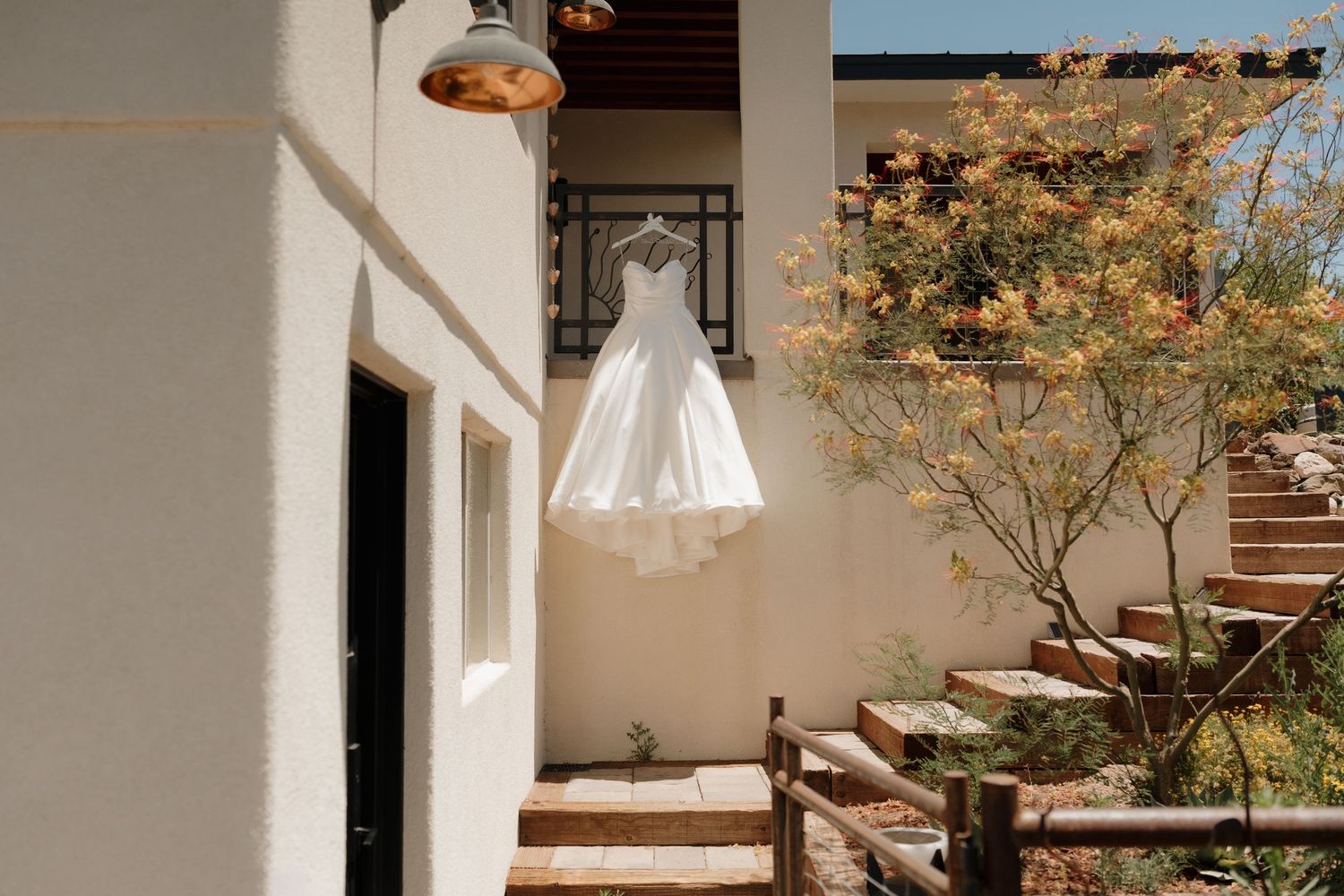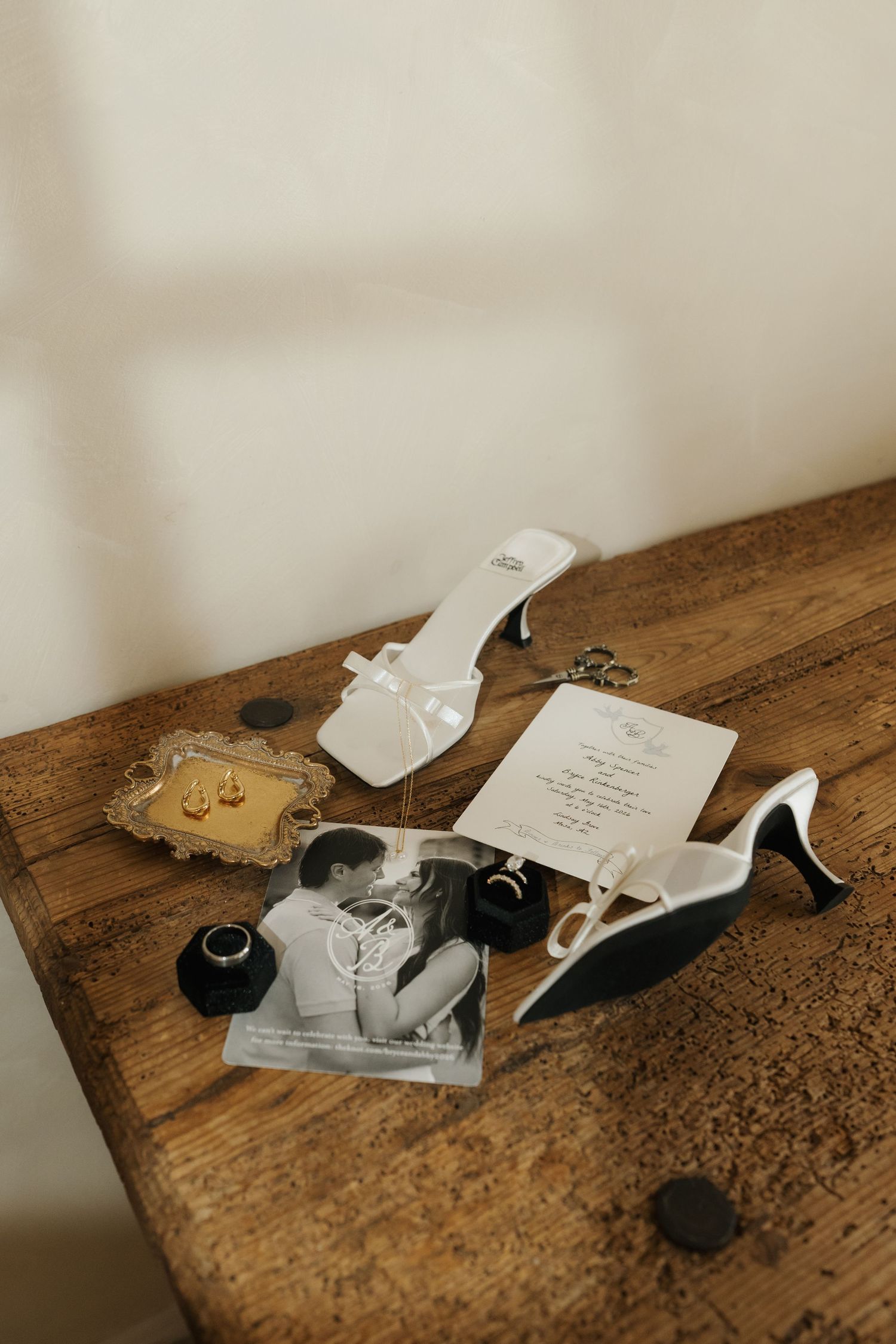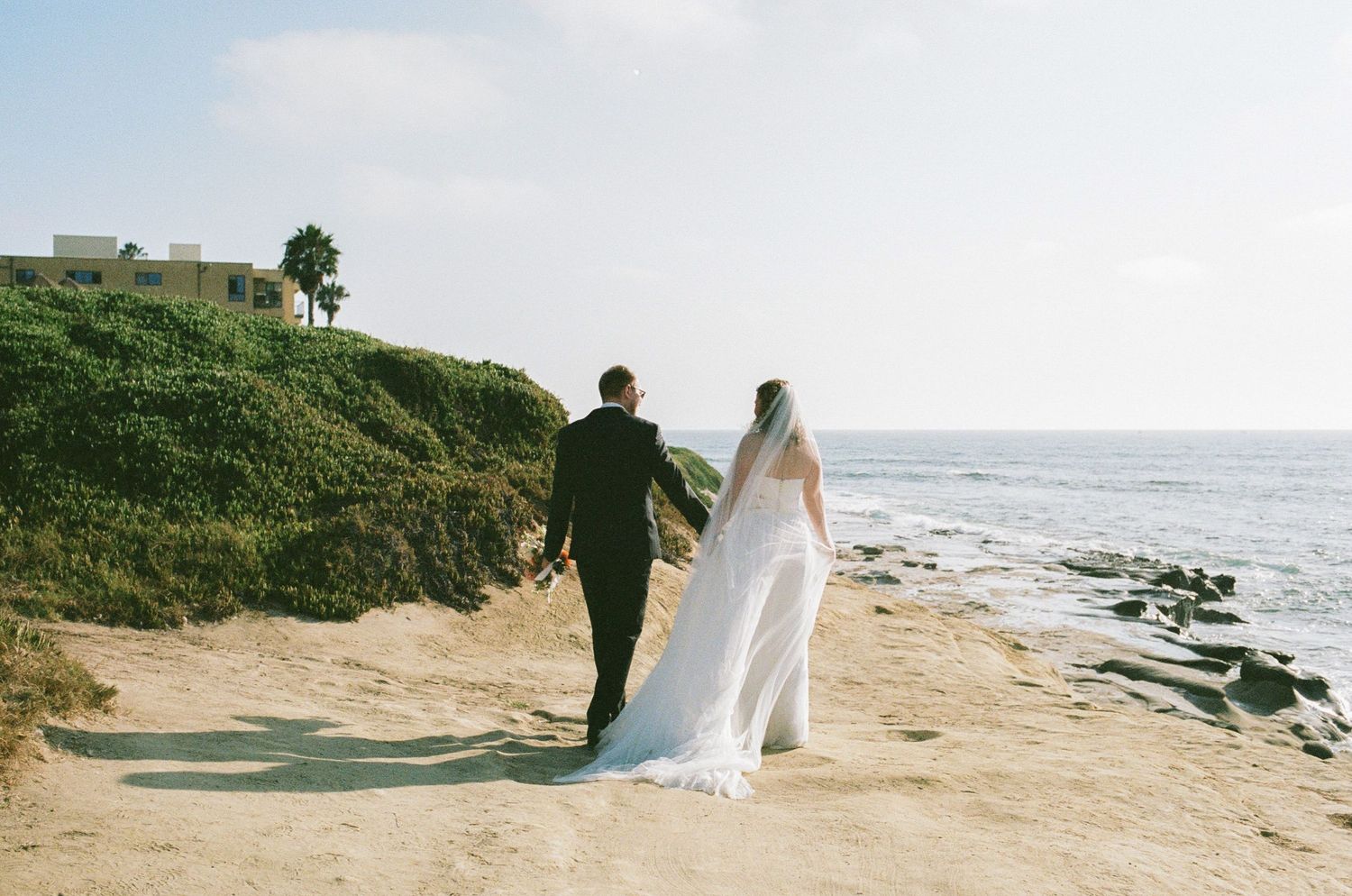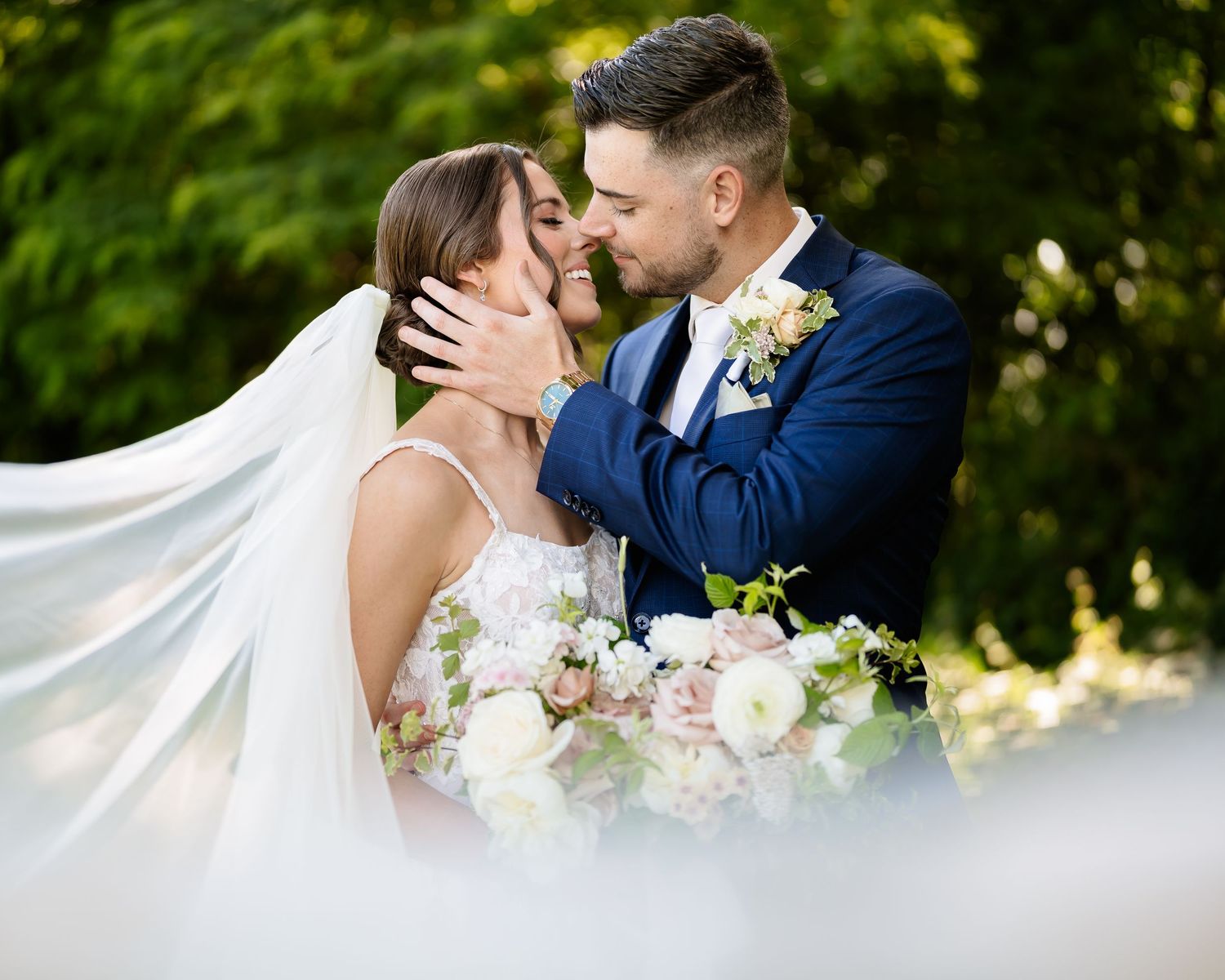
When you’re just starting out in wedding photography, or even if you’ve been doing it for a while, second shooting can be one of the most valuable experiences you’ll have. I can confidently say that second shooting has shaped the way I approach weddings, the way I interact with clients, and ultimately, the way I tell love stories through my lens.
Learning Without the Pressure
As a second shooter, you’re not the primary photographer. That means you can focus on building your skills without carrying the full weight of responsibility that comes with leading a wedding day. You can experiment with angles, play with different lenses, and practice storytelling without the constant pressure of making sure every key moment is captured.
This freedom allows you to grow creatively while still contributing meaningfully to the couple’s memories.
Gaining Exposure to Real Wedding Days
No styled shoot or workshop can compare to the energy, pace, and emotion of a real wedding. By second shooting, you’re immersed in the rhythm of the day, from the quiet anticipation during getting ready, to the fast-paced energy of the ceremony, to the celebration on the dance floor.
Every wedding is different, and second shooting a variety of them helps you learn how to adapt quickly, problem-solve on the fly, and stay calm under pressure.
Building Stronger Storytelling Skills
As the second shooter, your role often involves capturing the moments that might otherwise go unseen: the groom tying his tie, the flower girl sneaking a cupcake, or a parent wiping away tears during the vows. These moments add depth and richness to a wedding gallery.
By consistently second shooting, you learn to see stories unfolding beyond the “big moments” and develop an eye for candid, emotional details.
Learning Professionalism and Workflow
Every lead photographer works differently. By second shooting for a variety of photographers, you gain insight into how professionals handle timelines, lighting challenges, family portraits, and client communication. You pick up tricks of the trade, workflow habits, and organizational systems that you can adapt into your own business down the line.
Networking and Building Relationships
Second shooting also connects you with other photographers in your community. These relationships are incredibly valuable. Not only do they provide mentorship opportunities, but they can also lead to referrals and collaborations in the future. Many photographers book their first solo weddings because another photographer trusted them enough to recommend their name.
Confidence That Grows with Experience
Every wedding you second shoot adds another layer of confidence. The more you’re exposed to different venues, lighting conditions, and wedding-day scenarios, the more prepared you’ll feel when it’s time to lead a wedding yourself.
If you’re dreaming of photographing weddings, second shooting is one of the best ways to gain the experience, confidence, and perspective you need. It’s about more than just practice. It’s about learning to anticipate moments, connect with people, and tell love stories in a way that feels authentic.